OWNING THE WATCH
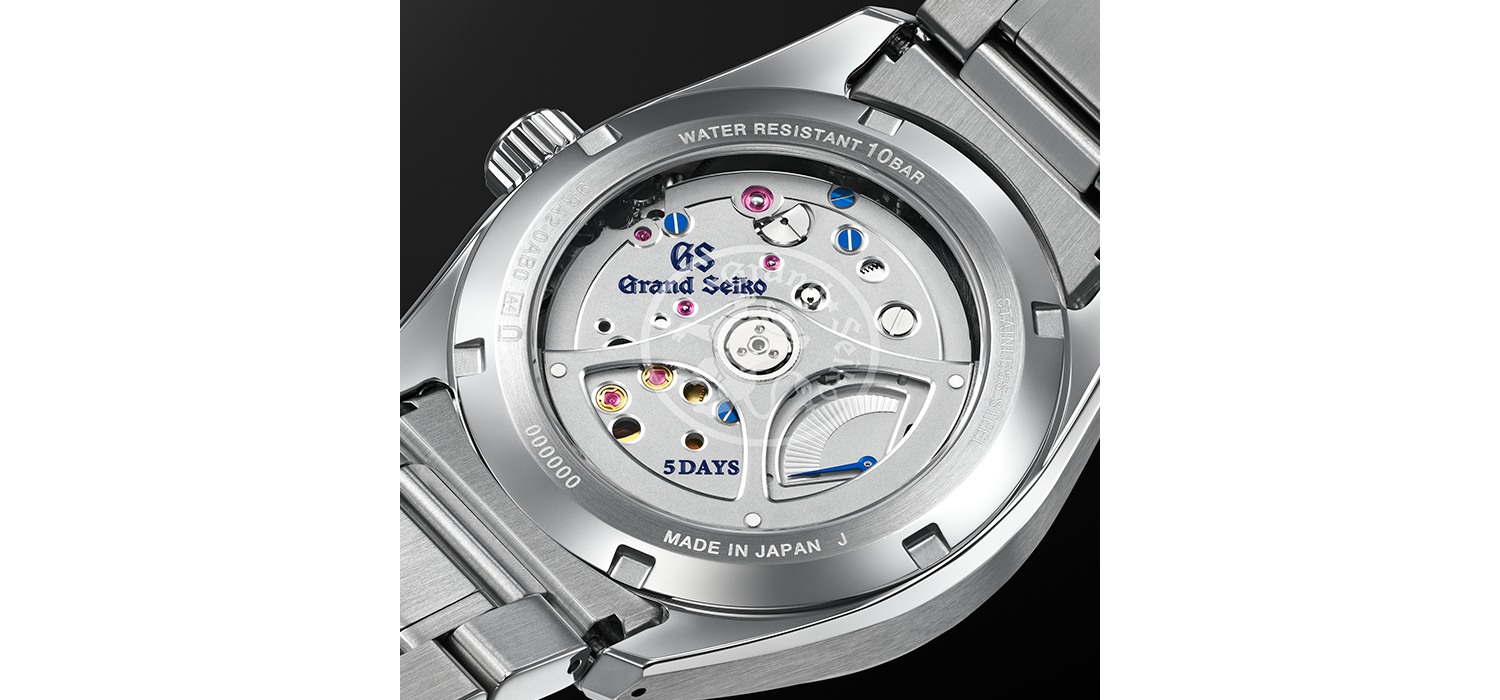
Friday evening to Monday morning is a more revealing unit of time than a large number on a specification sheet. For someone who changes watches over the weekend, power reserve is the difference between picking a watch up and beginning again.
Power reserve describes the stated running time from a fully wound movement. It is a capacity, rather than a promise that every watch taken off the wrist has that much energy remaining. How fully it was wound matters. The headline figure only becomes useful once that distinction is clear.
Put the number on a calendar
Take a simple example: a watch leaves the wrist at 6 pm on Friday and returns at 8 am on Monday. That is 62 hours. A fully wound watch with a stated 78-hour reserve has a nominal 16-hour margin in that example. One with a stated 120-hour reserve has a nominal 58-hour margin.
Those are calculations from the published capacities, not measurements from an ownership test. They explain why a longer reserve can be convenient without suggesting that every example, wearing pattern or winding state will deliver the same result.
Two different approaches
Breitling specifies approximately 78 hours for the automatic B31 in the Top Time. Grand Seiko specifies approximately 120 hours for the Spring Drive 9RA2 in the SLGA009. Both watches can be wound by hand. The difference is useful for someone building a rotation, but reserve alone does not rank the movements as complete designs.
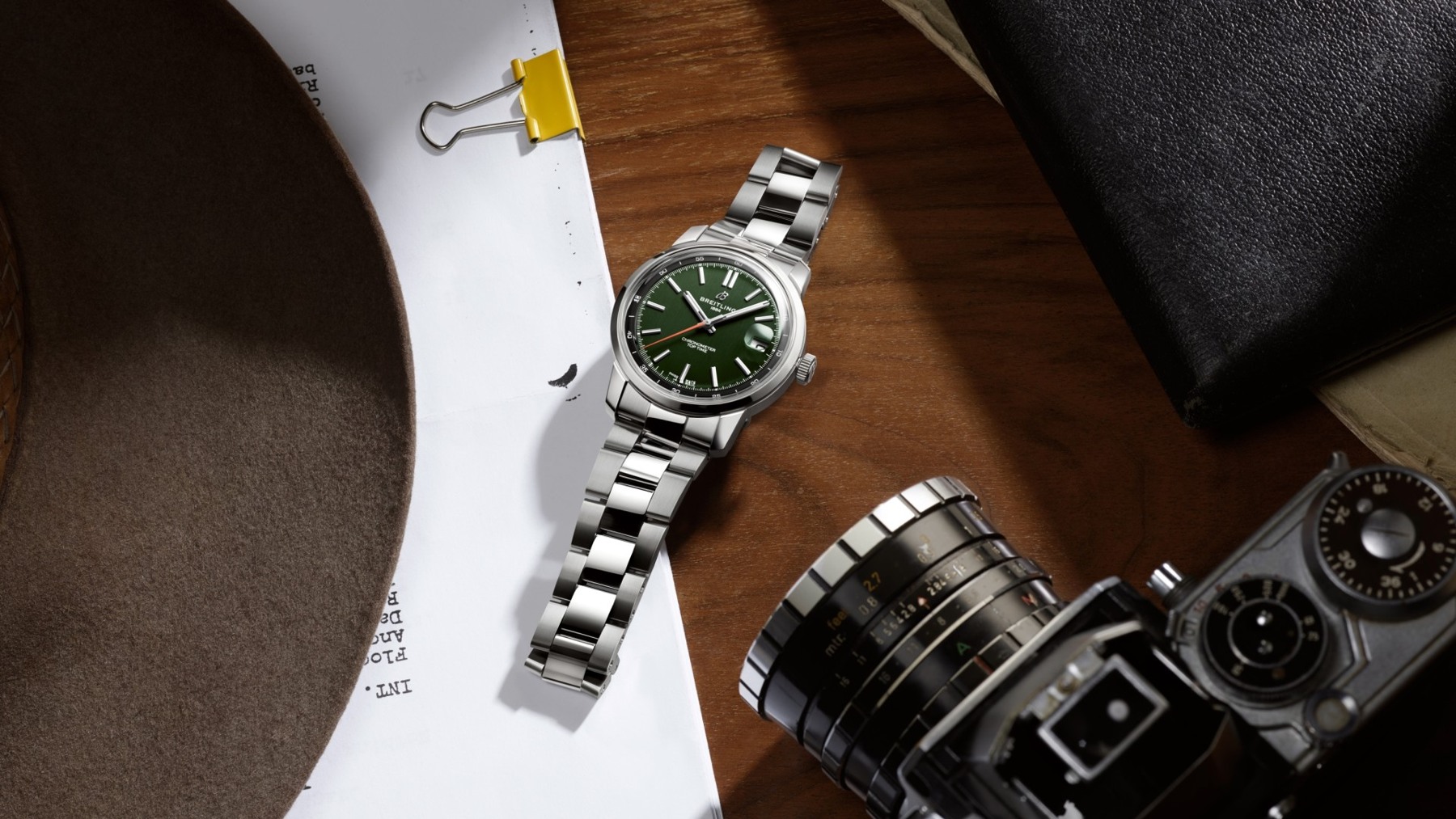
An automatic watch receives energy through wrist movement; the amount replenished depends on use. Wearing it for part of a day does not, by itself, establish that it is fully wound. Follow the instructions for the particular calibre instead of assuming that the advertised capacity is always available.
A stopped watch is another kind of interaction
For one collector, resetting a watch is an irritation. For another, it is part of the pleasure of choosing what to wear. A date display adds another setting step; a more complicated calendar can add further work. The practical value of reserve therefore depends on the watch and on the owner’s appetite for that ritual.
A long reserve is especially easy to appreciate when several watches share wrist time. It gives more freedom to leave one alone for a few days. Someone who wears the same watch every day may place greater value on dimensions, legibility or a comfortable clasp.
Capacity is not accuracy
Running time and timekeeping are different specifications. A movement can have a generous reserve without that number telling you how closely it will track the correct time. Grand Seiko separately gives an accuracy specification of ±10 seconds per month for the 9RA2. That is a different claim from its five-day capacity.
Likewise, a power-reserve indicator tells you about remaining energy. It does not certify the condition of the movement or replace the manufacturer’s guidance. It is useful information, best read as one part of the watch’s operating routine.
Choose around the way you live
Before favouring a larger reserve, think about an ordinary week. How often do you rotate watches? Do you enjoy winding them? Is setting the date a nuisance? The answers give the specification a purpose.
The appealing feature of a longer reserve is the breathing room it creates. It can let the watch wait while you wear something else. That is a modest benefit, but a meaningful one: convenience often determines which beautiful object becomes part of daily life.
Sources: Breitling’s B31 specifications and Grand Seiko’s SLGA009 specifications. Reserves are approximate manufacturer figures from a full wind. The weekend examples are illustrative calculations, not hands-on measurements. Photography © Grand Seiko and Breitling. Superwatchman has a commercial relationship with Breitling Stockholm.
For more watch stories and collector perspectives, join our newsletter and read our Mondo Duplantis interview.